


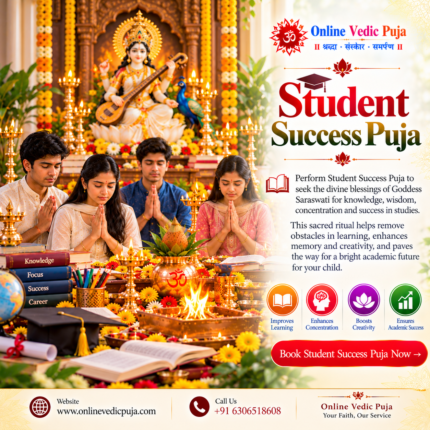
📖 What Is Vidyarambh Puja?
Vidyarambh Puja is a traditional Hindu learning ceremony performed to celebrate a child’s introduction to education, reading, writing, and knowledge. The word Vidyarambh means “beginning of learning.” It represents an important milestone in a child’s life, as the family comes together to encourage curiosity, discipline, creativity, and a lifelong love of learning.
This ceremony is commonly associated with Goddess Saraswati, the revered deity of knowledge, wisdom, music, arts, and learning, and Lord Ganesha, who is worshipped at the beginning of auspicious activities.
🪔 1. Worship of Lord Ganesha
The ceremony traditionally begins with the worship of Lord Ganesha. Devotees offer flowers, durva grass, incense, sweets, and other customary offerings according to their family traditions.
Lord Ganesha is worshipped for wisdom, thoughtful decision-making, and the removal of obstacles. The family prays for the child to approach education with confidence, patience, and a positive attitude.
🌼 2. Goddess Saraswati Puja
Goddess Saraswati is the central deity associated with Vidyarambh Puja. She symbolizes knowledge, understanding, language, music, and the arts.
During the ritual, the priest or family members may offer flowers, fruits, sweets, and prayers to Goddess Saraswati. The family seeks her blessings so that the child develops an interest in learning, expresses creativity, and grows in understanding.
✍️ 3. The First Writing Ceremony
One of the most meaningful parts of Vidyarambh Puja is the child’s first writing activity. Depending on regional customs, the child may be guided to write an alphabet, the sacred syllable “ॐ,” or a simple letter on a slate, notebook, or plate filled with rice.
A parent, teacher, elder, or priest may gently guide the child’s hand. The purpose is not to test the child’s ability but to make the first learning experience joyful, memorable, and encouraging.
🙏 4. Sankalp and Family Prayers
The priest may perform a Sankalp, a traditional statement of intention for the ceremony. The child’s name and the family’s prayer for a meaningful educational journey may be included according to the ritual tradition.
Parents and elders pray for the child to develop good habits, kindness, patience, concentration, and respect for teachers and knowledge.
5. Kalash Sthapana and Traditional Offerings
Depending on the family’s customs and the selected ritual format, the puja may include Kalash Sthapana, purification prayers, flowers, fruits, sweets, a lamp, incense, and offerings to the deities.
The arrangements may be simple or elaborate. A peaceful and welcoming setting is sufficient for a meaningful ceremony; families can adapt the ritual according to their traditions and circumstances.
📅 6. Auspicious Day and Muhurat
Vidyarambh Puja is often performed on a day considered auspicious for learning. Vasant Panchami is especially associated with Goddess Saraswati and the beginning of educational activities. Some families also choose a suitable date based on their regional customs or the priest’s guidance.
The selected date and time may vary by tradition, location, and family preference. An auspicious muhurat is a customary religious consideration rather than a guarantee of future academic success.
🧺 7. Vidyarambh Puja Samagri
The required materials depend on the family’s customs and the priest’s preferred method. Common items may include:
-
🪔 Diya, ghee or oil, and cotton wicks
-
🌼 Fresh flowers and a garland
-
🍎 Fruits, sweets, and prasad
-
🌾 Rice or a plate for the first-writing ritual
-
✍️ Slate, chalk, notebook, or pencil
-
🪷 A picture or idol of Lord Ganesha and Goddess Saraswati
-
🥥 Coconut, roli, kumkum, and akshat
-
💧 Kalash, clean water, and other customary puja items
-
📿 Incense and other offerings as required
The final samagri list should be confirmed with the priest before the ceremony.
👨👩👧 8. Participation of Parents and Family
Parents and family members play an important role in Vidyarambh Puja. Their participation expresses encouragement and support as the child begins a new stage of development.
Family members may bless the child, offer flowers, recite prayers, and participate in the first-writing activity. The ceremony can also be an opportunity to communicate that learning includes kindness, good conduct, curiosity, creativity, and respect for others—not only marks or examinations.
🎓 9. Spiritual and Cultural Significance
Vidyarambh Puja connects the beginning of education with gratitude, devotion, and cultural heritage. It encourages families to view learning as a valuable journey that involves both knowledge and character.
The ritual can become a cherished childhood memory and a meaningful way to introduce traditional prayers and family values. Its spiritual significance lies in the intention, participation, and encouragement surrounding the child’s first steps into formal learning.
🧒 10. Preparing the Child for the Ceremony
The child’s comfort should remain the priority. Choose a convenient time, keep the ceremony age-appropriate, and allow breaks whenever needed. There is no need to force the child to write or participate if they are tired or uncomfortable.
Use child-safe writing materials and keep small ritual objects, flames, incense, and hot offerings out of the child’s reach. A calm, welcoming atmosphere helps make the experience enjoyable.
🔔 11. What Happens After the Puja?
After the prayers and first-writing activity, the priest may offer blessings and distribute prasad. Families may take photographs, share a meal, or give the child books, stationery, or another meaningful educational gift.
The ceremony can be followed by practical steps that support learning, such as reading together, drawing, storytelling, exploring nature, and encouraging the child to ask questions.
🌟 Book Vidyarambh Puja with Vedic Puja
Vedic Puja helps families arrange a traditional Vidyarambh Puja with appropriate rituals, prayers, and guidance. The ceremony can be adapted to the child’s age, family customs, preferred location, and selected date.
Vedic Puja — श्रद्धा • संस्कार • समाधान
विद्यारंभ पूजा विवरण
📖 विद्यारंभ पूजा क्या है?
विद्यारंभ पूजा हिंदू परंपरा का एक महत्वपूर्ण संस्कार है, जिसके माध्यम से बच्चे को शिक्षा, अक्षर ज्ञान, पढ़ने और लिखने की यात्रा की शुरुआत से परिचित कराया जाता है। विद्यारंभ का अर्थ है—विद्या का आरंभ। यह समारोह बच्चे के जीवन में सीखने की नई शुरुआत को परिवार के आशीर्वाद, प्रार्थना और उत्साह के साथ मनाने का एक विशेष अवसर है।
इस पूजा में मुख्य रूप से भगवान श्री गणेश और माता सरस्वती की आराधना की जाती है। भगवान गणेश को बुद्धि और शुभारंभ का प्रतीक माना जाता है, जबकि माता सरस्वती ज्ञान, विद्या, संगीत, कला और वाणी की अधिष्ठात्री देवी के रूप में पूजित हैं।
🪔 1. भगवान श्री गणेश की पूजा
विद्यारंभ पूजा का शुभारंभ सामान्यतः भगवान श्री गणेश की आराधना से किया जाता है। उन्हें विघ्नहर्ता और बुद्धि का प्रतीक माना जाता है। पूजा में पुष्प, दूर्वा, धूप, दीप, मिठाई और अन्य पारंपरिक सामग्री अर्पित की जा सकती है।
परिवार भगवान गणेश से प्रार्थना करता है कि बच्चे की शिक्षा यात्रा शुभ हो और उसमें सीखने की रुचि, धैर्य, आत्मविश्वास तथा सही निर्णय लेने की क्षमता विकसित हो।
🌼 2. माता सरस्वती की आराधना
विद्यारंभ पूजा में माता सरस्वती का विशेष महत्व है। उन्हें ज्ञान, बुद्धि, वाणी, संगीत, कला और रचनात्मकता की देवी माना जाता है।
पूजा के दौरान माता सरस्वती को पुष्प, फल, मिठाई और अन्य परंपरागत भोग अर्पित किए जा सकते हैं। परिवार प्रार्थना करता है कि बच्चा ज्ञान प्राप्त करने के प्रति उत्सुक रहे, नई चीजें सीखने में आनंद महसूस करे और अपनी प्रतिभा को विकसित करे।
✍️ 3. बच्चे के प्रथम अक्षर लेखन की परंपरा
विद्यारंभ पूजा का सबसे विशेष भाग बच्चे को पहली बार अक्षर लिखने के लिए प्रेरित करना है। क्षेत्रीय परंपराओं के अनुसार बच्चे से चावल से भरी थाली, स्लेट, कॉपी या अन्य उपयुक्त सतह पर पहला अक्षर, “ॐ” अथवा वर्णमाला का कोई अक्षर लिखवाया जा सकता है।
इस अवसर पर माता-पिता, गुरुजन, परिवार के बड़े सदस्य या पुरोहित बच्चे को प्यार से मार्गदर्शन दे सकते हैं। इसका उद्देश्य बच्चे की परीक्षा लेना नहीं, बल्कि सीखने की शुरुआत को आनंदमय और यादगार बनाना है।
🙏 4. संकल्प और पारिवारिक प्रार्थना
पूजा के दौरान पुरोहित परिवार की परंपरा के अनुसार संकल्प करा सकते हैं। इसमें बच्चे के नाम और उसकी शिक्षा यात्रा के लिए परिवार की शुभकामनाओं को शामिल किया जा सकता है।
माता-पिता और परिवार के सदस्य प्रार्थना करते हैं कि बच्चा ज्ञान के साथ अच्छे संस्कार, विनम्रता, अनुशासन, धैर्य और दूसरों के प्रति सम्मान भी विकसित करे। शिक्षा को केवल परीक्षा और अंकों तक सीमित न रखकर जीवन भर सीखते रहने की भावना को बढ़ावा देना भी इस अवसर का महत्वपूर्ण संदेश है।
5. कलश स्थापना और पारंपरिक पूजन सामग्री
परिवार की परंपरा और पूजा की विधि के अनुसार कलश स्थापना, शुद्धिकरण मंत्र, दीप प्रज्वलन तथा देवी-देवताओं को पुष्प, फल और मिठाई अर्पित करने की प्रक्रिया शामिल हो सकती है।
पूजा की व्यवस्था साधारण या विस्तृत, दोनों प्रकार से की जा सकती है। श्रद्धापूर्वक किया गया सरल आयोजन भी परिवार के लिए विशेष महत्व रख सकता है।
📅 6. शुभ दिन और मुहूर्त
विद्यारंभ पूजा के लिए ऐसा दिन चुना जा सकता है जिसे परिवार अपनी परंपरा के अनुसार शिक्षा के आरंभ के लिए शुभ मानता हो। वसंत पंचमी माता सरस्वती की आराधना और विद्या से जुड़ी गतिविधियों के लिए विशेष रूप से महत्वपूर्ण मानी जाती है।
कुछ परिवार पुरोहित की सलाह से अन्य उपयुक्त तिथि और मुहूर्त भी चुनते हैं। तिथि और समय का चयन क्षेत्रीय परंपराओं, स्थानीय पंचांग और परिवार की सुविधा के अनुसार अलग-अलग हो सकता है। शुभ मुहूर्त धार्मिक परंपरा का हिस्सा है, इसे शैक्षणिक सफलता की गारंटी नहीं समझना चाहिए।
🧺 7. विद्यारंभ पूजा सामग्री
पूजा में उपयोग होने वाली सामग्री विधि और पारिवारिक परंपरा के अनुसार बदल सकती है। सामान्यतः निम्नलिखित वस्तुओं की आवश्यकता हो सकती है:
-
🪔 दीपक, घी या तेल और रूई की बत्ती
-
🌼 ताजे फूल और माला
-
🍎 फल, मिठाई और प्रसाद
-
🌾 प्रथम अक्षर लेखन के लिए चावल या चावल से भरी थाली
-
✍️ स्लेट, चॉक, कॉपी या पेंसिल
-
🪷 भगवान गणेश और माता सरस्वती की प्रतिमा या चित्र
-
🥥 नारियल, रोली, कुमकुम और अक्षत
-
💧 कलश और स्वच्छ जल
-
📿 धूप तथा विधि के अनुसार अन्य पूजन सामग्री
पूजा से पहले पुरोहित से सामग्री की अंतिम सूची की पुष्टि कर लेना उचित रहता है।
👨👩👧 8. माता-पिता और परिवार की सहभागिता
विद्यारंभ पूजा में माता-पिता और परिवार के सदस्यों की भूमिका बहुत महत्वपूर्ण होती है। उनके आशीर्वाद और प्रोत्साहन से बच्चे को शिक्षा की शुरुआत के प्रति सकारात्मक भावना मिल सकती है।
परिवार के सदस्य पूजा में शामिल होकर बच्चे को आशीर्वाद दे सकते हैं, प्रथम अक्षर लेखन में सहयोग कर सकते हैं और उसे पुस्तकों, कॉपियों या शैक्षणिक उपहारों के माध्यम से प्रोत्साहित कर सकते हैं।
यह अवसर बच्चे को यह समझाने का भी अच्छा माध्यम है कि सच्ची शिक्षा में ज्ञान के साथ अच्छे व्यवहार, रचनात्मकता, जिज्ञासा और दूसरों का सम्मान करना भी शामिल है।
🎓 9. विद्यारंभ पूजा का धार्मिक और सांस्कृतिक महत्व
विद्यारंभ पूजा शिक्षा को श्रद्धा, कृतज्ञता और भारतीय सांस्कृतिक परंपराओं से जोड़ती है। यह बच्चे की नई शुरुआत को परिवार के लिए एक यादगार अवसर बनाती है।
इस संस्कार के माध्यम से बच्चे को ज्ञान का महत्व समझाने और सीखने के प्रति सकारात्मक दृष्टिकोण विकसित करने का अवसर मिलता है। पूजा का वास्तविक महत्व परिवार की भावना, बच्चे के प्रति प्रोत्साहन और शिक्षा को महत्व देने के संकल्प में निहित है।
🧒 10. पूजा से पहले बच्चे की तैयारी
पूजा के समय बच्चे की सुविधा और सहजता का ध्यान रखना आवश्यक है। समारोह को बच्चे की उम्र के अनुसार सरल रखें और आवश्यकता पड़ने पर बीच में आराम करने दें। बच्चे पर जबरदस्ती लिखने या किसी गतिविधि में भाग लेने का दबाव न डालें।
स्लेट, चॉक और अन्य लेखन सामग्री बच्चों के लिए सुरक्षित होनी चाहिए। दीपक, जलती धूप, गर्म सामग्री और छोटी पूजन वस्तुओं को बच्चे की पहुँच से दूर रखें, ताकि समारोह सुरक्षित और आनंदमय बना रहे।
🔔 11. पूजा के बाद की परंपराएँ
पूजा और प्रथम अक्षर लेखन के बाद पुरोहित बच्चे को आशीर्वाद दे सकते हैं तथा परिवार में प्रसाद वितरित किया जा सकता है। कुछ परिवार इस अवसर पर बच्चे को पुस्तकें, स्टेशनरी या अन्य उपयोगी शैक्षणिक उपहार देते हैं।
इसके बाद माता-पिता बच्चे के साथ कहानी पढ़ने, चित्र बनाने, नई चीजें खोजने और प्रश्न पूछने जैसी गतिविधियों को प्रोत्साहित कर सकते हैं। नियमित प्रोत्साहन और सीखने के अनुकूल वातावरण बच्चे की शिक्षा यात्रा में महत्वपूर्ण भूमिका निभाते हैं।
🌟 Vedic Puja के साथ विद्यारंभ पूजा
Vedic Puja के माध्यम से आप अपने बच्चे के विद्यारंभ संस्कार के लिए पारंपरिक पूजा-विधि, मंत्रोच्चार और आवश्यक अनुष्ठानों की व्यवस्था कर सकते हैं। पूजा को बच्चे की उम्र, परिवार की परंपरा, स्थान और चुनी गई तिथि के अनुसार व्यवस्थित किया जा सकता है।
Vedic Puja — श्रद्धा • संस्कार • समाधान





Reviews
There are no reviews yet.