🙏 What Is Mundan Sanskar?
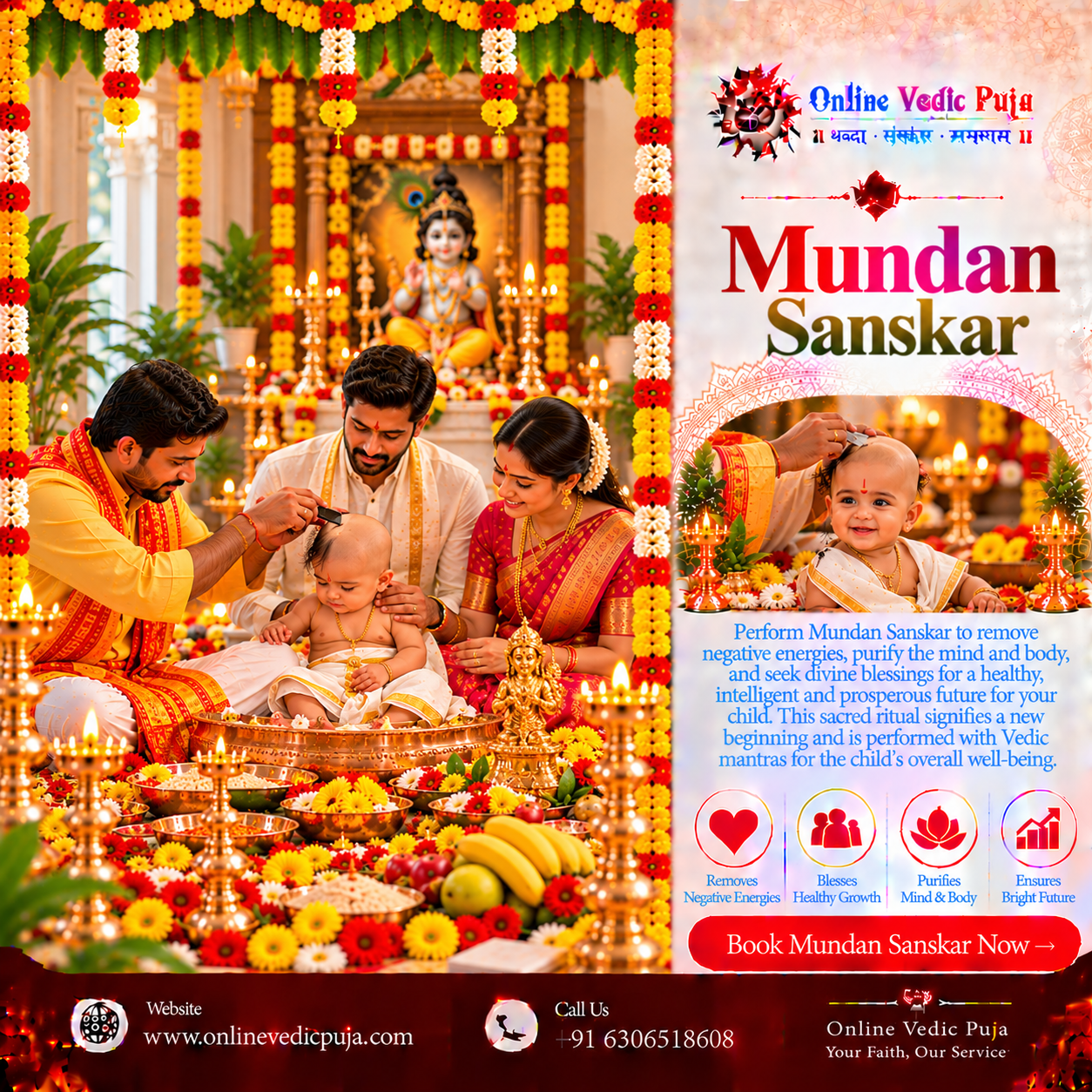
Mundan Sanskar, traditionally known as Chudakarana Sanskar, is one of the important Hindu sixteen Sanskars (Shodasha Sanskar). It marks a significant milestone in a child’s early life. During this ceremony, the child’s hair is shaved for the first time according to the family’s customs, followed by prayers and blessings from elders and the family priest.
The ceremony is traditionally associated with purification, auspicious beginnings, and prayers for the child’s well-being. The exact rituals, age, and timing may vary according to family traditions, regional customs, and the guidance of the family priest.
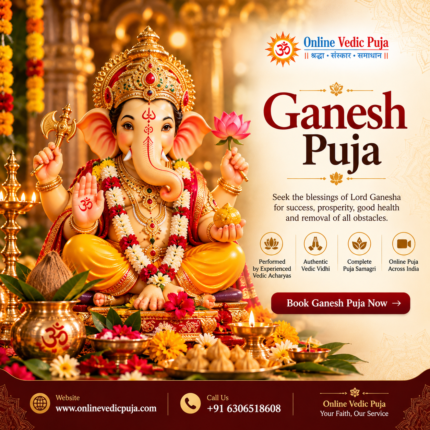
🪔 1. Ganesh Puja and Auspicious Beginning
The ceremony commonly begins with prayers to Lord Ganesha, who is worshipped before important religious and family occasions. The priest performs the initial puja and offers prayers for the smooth completion of the Sanskar.
Devotees seek Lord Ganesha’s blessings for peace, harmony, and an auspicious beginning to this important milestone in the child’s life.
🌼 2. Sankalp and Family Prayers
The priest performs the Sankalp, expressing the family’s intention to conduct the Mundan Sanskar with devotion. The child’s name and other customary details may be included according to the family’s tradition.
Parents and family members participate in prayers for the child’s happiness, healthy development, protection, and a life filled with positive values. These prayers express the family’s hopes and blessings rather than guaranteeing any particular outcome.
🕉️ 3. Kalash Sthapana and Devta Pujan
Depending on the family’s tradition, the ceremony may include Kalash Sthapana and the worship of household deities or other revered deities. Flowers, water, rice, roli, diya, and other puja materials may be used during these rituals.
The priest recites appropriate mantras and guides the family through the traditional offerings, creating a peaceful and devotional atmosphere for the Sanskar.
✂️ 4. The Mundan Ritual
The central part of Mundan Sanskar is the child’s first ceremonial hair shaving. The ritual may be performed at home, in a temple, or at another suitable location chosen by the family.
The exact method differs across communities. Some families preserve a small tuft of hair, while others follow different customary practices. The priest guides the religious aspects of the ceremony according to the family’s tradition.
The child’s comfort and safety should always come first. Hair shaving should be carried out hygienically by a competent person using clean, suitable equipment. The ceremony should be postponed if the child is unwell or uncomfortable.
🌺 5. Mantra Jaap and Blessings
During or after the hair-shaving ritual, the priest may recite traditional mantras and offer prayers for the child’s well-being. Parents, grandparents, and other family members may bless the child and express their good wishes.
These moments make the ceremony a meaningful family occasion, connecting the child with cultural heritage and the values of love, care, gratitude, and togetherness.
🔥 6. Havan and Aarti
Some families include a small Havan and Aarti as part of Mundan Sanskar. Sacred offerings may be made into the fire while the priest recites appropriate Vedic mantras.
The ritual is intended to express devotion and prayers for peace and auspiciousness. Havan is optional and depends on family customs, the venue, and the child’s comfort. If performed, the fire must be kept at a safe distance from the child, with adequate ventilation and adult supervision.
🗓️ 7. Choosing an Auspicious Muhurat
Some families consult a priest or Panchang to select an auspicious date and time for Mundan Sanskar. The choice may depend on the child’s age, family traditions, regional customs, and astrological considerations followed by the family.
Vedic Puja can help families understand the traditional process of selecting a suitable Muhurat. Families should also consider the child’s health, travel arrangements, weather, and convenience when planning the ceremony.
🪷 8. Puja Samagri for Mundan Sanskar
The required samagri varies depending on the rituals included. Common items may include:
-
Roli, chawal, haldi, and kumkum
-
Flowers, garlands, and fresh leaves as customary
-
Diya, cotton wicks, ghee, and incense
-
Kalash, clean water, and a suitable vessel
-
Fruits, sweets, and other traditional offerings
-
Havan samagri, ghee, and wood, if Havan is planned
-
Clean cloth or towel and other items needed for the child’s comfort
The priest can provide a more specific list according to the selected rituals and family customs.
👨👩👧 9. Family Participation and Blessings
Mundan Sanskar is often celebrated with close family members and relatives. Elders may bless the child, parents may offer prayers, and the family may distribute prasad after the ceremony.
The celebration can be simple and intimate or include a larger family gathering. The focus remains on the child’s comfort, the family’s devotion, and the preservation of meaningful cultural traditions.
❤️ 10. Child Care and Practical Considerations
Before arranging Mundan Sanskar, families should keep a few practical points in mind:
-
Choose a clean and comfortable venue.
-
Use hygienic equipment and a competent person for hair shaving.
-
Keep the child hydrated and comfortable according to their age and feeding routine.
-
Avoid forcing the child to remain in rituals if distressed.
-
Follow appropriate aftercare instructions for the scalp.
-
Consult a pediatrician if the child has a skin condition, scalp irritation, or another medical concern.
The ceremony is a religious and cultural tradition; shaving a child’s hair should not be considered a medical necessity or a guarantee of thicker hair.
🌟 11. Why Choose Vedic Puja for Mundan Sanskar?
Vedic Puja helps families organize Mundan Sanskar with attention to traditional rituals, devotional practices, and the needs of the child. Depending on the selected arrangement, assistance may include:
-
Guidance for puja and traditional mantras
-
Help with selecting an auspicious Muhurat
-
A puja samagri checklist
-
Ganesh Puja and other customary rituals
-
Havan and Aarti, if requested
-
Guidance for conducting the ceremony at home or a suitable venue
The ceremony can be adapted to the family’s regional customs and preferences.
Vedic Puja — श्रद्धा • संस्कार • समाधान
🇮🇳 Long Description — Hindi
🙏 मुंडन संस्कार क्या है?
मुंडन संस्कार, जिसे पारंपरिक रूप से चूड़ाकरण संस्कार भी कहा जाता है, हिंदू धर्म के सोलह संस्कारों में से एक महत्वपूर्ण संस्कार माना जाता है। इस अवसर पर बच्चे के जन्म के बाद पहली बार परंपरा के अनुसार उसके बाल उतारे जाते हैं। इसके साथ पूजा-पाठ, मंत्रोच्चार और परिवार के बड़ों का आशीर्वाद लिया जाता है।
यह संस्कार बच्चे के जीवन के एक विशेष पड़ाव को दर्शाता है। पारंपरिक मान्यताओं में इसे शुभ आरंभ, आध्यात्मिक शुद्धता और बच्चे के मंगलमय जीवन की कामना से जोड़ा जाता है। मुंडन संस्कार की विधि, आयु और समय परिवार की परंपरा, क्षेत्रीय रीति-रिवाज तथा पुरोहित के मार्गदर्शन के अनुसार अलग-अलग हो सकते हैं।
🪔 1. गणेश पूजन एवं शुभारंभ
मुंडन संस्कार की शुरुआत सामान्यतः भगवान गणेश की पूजा से की जाती है। हिंदू परंपरा में भगवान गणेश को शुभ कार्यों के आरंभ में पूजनीय माना जाता है।
पूजा के दौरान दीप प्रज्वलित किया जाता है, पुष्प अर्पित किए जाते हैं और मंत्रों के माध्यम से प्रार्थना की जाती है। परिवार भगवान गणेश से संस्कार के शांतिपूर्ण और मंगलमय संपन्न होने की कामना करता है।
🌼 2. संकल्प एवं पारिवारिक प्रार्थना
पूजा के दौरान पुरोहित परिवार की ओर से संकल्प करवाते हैं। इसमें संस्कार करने का उद्देश्य व्यक्त किया जाता है और परिवार की परंपरा के अनुसार बच्चे का नाम तथा अन्य आवश्यक विवरण शामिल किए जा सकते हैं।
माता-पिता और परिवार के सदस्य बच्चे के सुख, स्वस्थ विकास, प्रसन्नता और उज्ज्वल भविष्य के लिए प्रार्थना करते हैं। यह संस्कार परिवार के प्रेम, जिम्मेदारी और बच्चे के प्रति शुभकामनाओं को व्यक्त करने का एक महत्वपूर्ण अवसर है।
🕉️ 3. कलश स्थापना एवं देव पूजन
परिवार की परंपरा के अनुसार मुंडन संस्कार में कलश स्थापना और देवी-देवताओं का पूजन भी किया जा सकता है। इस दौरान कलश, स्वच्छ जल, रोली, अक्षत, पुष्प, दीपक और अन्य पूजा सामग्री का उपयोग किया जाता है।
पुरोहित संबंधित मंत्रों का उच्चारण करते हुए पूजा की विधि संपन्न करवाते हैं। इन अनुष्ठानों का उद्देश्य श्रद्धा के साथ देवताओं का स्मरण करना और संस्कार के लिए शुभ वातावरण तैयार करना होता है।
✂️ 4. मुंडन की मुख्य विधि
मुंडन संस्कार का मुख्य भाग बच्चे के बाल पहली बार परंपरा के अनुसार उतारना है। यह विधि घर, मंदिर या परिवार द्वारा चुने गए किसी उपयुक्त स्थान पर की जा सकती है।
कुछ परिवारों में सिर पर शिखा रखने की परंपरा होती है, जबकि कुछ परिवार अपनी क्षेत्रीय या पारिवारिक रीति के अनुसार अलग विधि अपनाते हैं। पुरोहित परिवार को उनकी परंपरा के अनुसार धार्मिक विधि समझाते हैं।
इस संस्कार में बच्चे की सुरक्षा और सहजता सबसे महत्वपूर्ण है। बाल उतारने के लिए स्वच्छ उपकरण और अनुभवी व्यक्ति का चयन करें। यदि बच्चा अस्वस्थ हो या असहज महसूस कर रहा हो, तो संस्कार को स्थगित करना उचित हो सकता है।
🌺 5. मंत्रोच्चार एवं आशीर्वाद
मुंडन की विधि के दौरान या उसके बाद पुरोहित पारंपरिक मंत्रों का उच्चारण कर सकते हैं। माता-पिता, दादा-दादी, नाना-नानी और परिवार के अन्य बड़े बच्चे को आशीर्वाद देते हैं।
परिवार बच्चे के सुख, शांति, अच्छे संस्कार और सकारात्मक जीवन की कामना करता है। इस अवसर पर बच्चे के प्रति स्नेह व्यक्त करना और परिवार की सांस्कृतिक परंपराओं से परिचित कराना विशेष महत्व रखता है।
🔥 6. हवन एवं आरती
कुछ परिवार मुंडन संस्कार के साथ हवन और आरती भी करवाते हैं। हवन के दौरान अग्नि में पारंपरिक सामग्री अर्पित करते हुए वैदिक मंत्रों का उच्चारण किया जाता है।
हवन करना परिवार की परंपरा, उपलब्ध स्थान और चुनी गई पूजा विधि पर निर्भर करता है। यदि हवन कराया जाए, तो बच्चे को अग्नि से सुरक्षित दूरी पर रखें, कमरे में पर्याप्त वेंटिलेशन सुनिश्चित करें और अग्नि की निगरानी किसी जिम्मेदार वयस्क द्वारा की जाए।
🗓️ 7. मुंडन संस्कार का शुभ मुहूर्त
पारंपरिक मान्यताओं के अनुसार कई परिवार मुंडन संस्कार के लिए पंचांग और पुरोहित की सहायता से शुभ तिथि एवं मुहूर्त का चयन करते हैं। मुहूर्त चुनते समय बच्चे की आयु, पारिवारिक परंपरा, क्षेत्रीय रीति-रिवाज और ज्योतिषीय मान्यताओं को ध्यान में रखा जा सकता है।
Vedic Puja परिवार को पारंपरिक मुहूर्त चयन की प्रक्रिया में मार्गदर्शन देने में सहायता कर सकता है। इसके साथ बच्चे के स्वास्थ्य, मौसम, यात्रा और परिवार की सुविधा को भी प्राथमिकता देनी चाहिए।
🪷 8. मुंडन संस्कार की पूजा सामग्री
मुंडन संस्कार में उपयोग होने वाली सामग्री पूजा की विधि और पारिवारिक परंपरा के अनुसार अलग हो सकती है। सामान्यतः निम्न सामग्री की आवश्यकता पड़ सकती है:
-
रोली, अक्षत, हल्दी और कुमकुम
-
फूल, माला और परंपरा के अनुसार पत्ते
-
दीपक, रुई की बत्ती, घी और धूप
-
कलश, स्वच्छ जल और पूजा पात्र
-
फल, मिठाई और प्रसाद
-
हवन होने पर हवन सामग्री, घी और समिधा
-
बच्चे के लिए साफ कपड़ा, तौलिया और आरामदायक आवश्यक वस्तुएँ
पूजा की अंतिम सामग्री सूची पुरोहित से चुनी गई विधि के अनुसार प्राप्त की जा सकती है।
👨👩👧 9. परिवार की सहभागिता
मुंडन संस्कार परिवार के लिए एक विशेष धार्मिक और सांस्कृतिक अवसर होता है। परिवार के सदस्य पूजा में शामिल होते हैं, बच्चे को आशीर्वाद देते हैं और संस्कार के बाद प्रसाद ग्रहण कर सकते हैं।
इस अवसर को छोटे पारिवारिक आयोजन के रूप में या रिश्तेदारों के साथ बड़े समारोह के रूप में मनाया जा सकता है। आयोजन का स्वरूप परिवार की इच्छा और सुविधा के अनुसार रखा जा सकता है।
❤️ 10. बच्चे की देखभाल एवं आवश्यक सावधानियाँ
मुंडन संस्कार की योजना बनाते समय बच्चे की सुविधा और स्वच्छता का ध्यान रखना आवश्यक है।
-
साफ-सुथरे और आरामदायक स्थान का चयन करें।
-
बाल उतारने के लिए स्वच्छ उपकरण और अनुभवी व्यक्ति का उपयोग करें।
-
बच्चे की आयु के अनुसार उसके भोजन, दूध और आराम के समय का ध्यान रखें।
-
बच्चा रो रहा हो या बहुत असहज हो, तो उसे जबरदस्ती पूजा में न बैठाएँ।
-
मुंडन के बाद सिर की त्वचा की उचित देखभाल करें।
-
त्वचा संबंधी समस्या, जलन या किसी अन्य स्वास्थ्य चिंता की स्थिति में बाल रोग विशेषज्ञ से सलाह लें।
मुंडन एक धार्मिक एवं सांस्कृतिक परंपरा है। सिर के बाल उतारना चिकित्सकीय आवश्यकता नहीं है और इससे बाल अधिक घने होने की गारंटी नहीं होती।
🌟 11. मुंडन संस्कार के लिए Vedic Puja क्यों चुनें?
Vedic Puja परिवारों को मुंडन संस्कार की पारंपरिक विधियों और पूजा संबंधी तैयारियों में सहायता प्रदान करने का उद्देश्य रखता है। आपकी आवश्यकताओं के अनुसार निम्न व्यवस्थाओं में मार्गदर्शन लिया जा सकता है:
-
पूजा विधि और पारंपरिक मंत्रों के संबंध में मार्गदर्शन
-
शुभ मुहूर्त चयन में सहायता
-
पूजा सामग्री की सूची
-
गणेश पूजन एवं अन्य पारंपरिक अनुष्ठान
-
आवश्यकता के अनुसार हवन और आरती
-
घर या उपयुक्त स्थान पर संस्कार की व्यवस्था संबंधी मार्गदर्शन
पूजा की विधि परिवार की क्षेत्रीय परंपरा और व्यक्तिगत आवश्यकताओं के अनुसार रखी जा सकती है।
Vedic Puja — श्रद्धा • संस्कार • समाधान

Reviews
There are no reviews yet.